Going to The Head
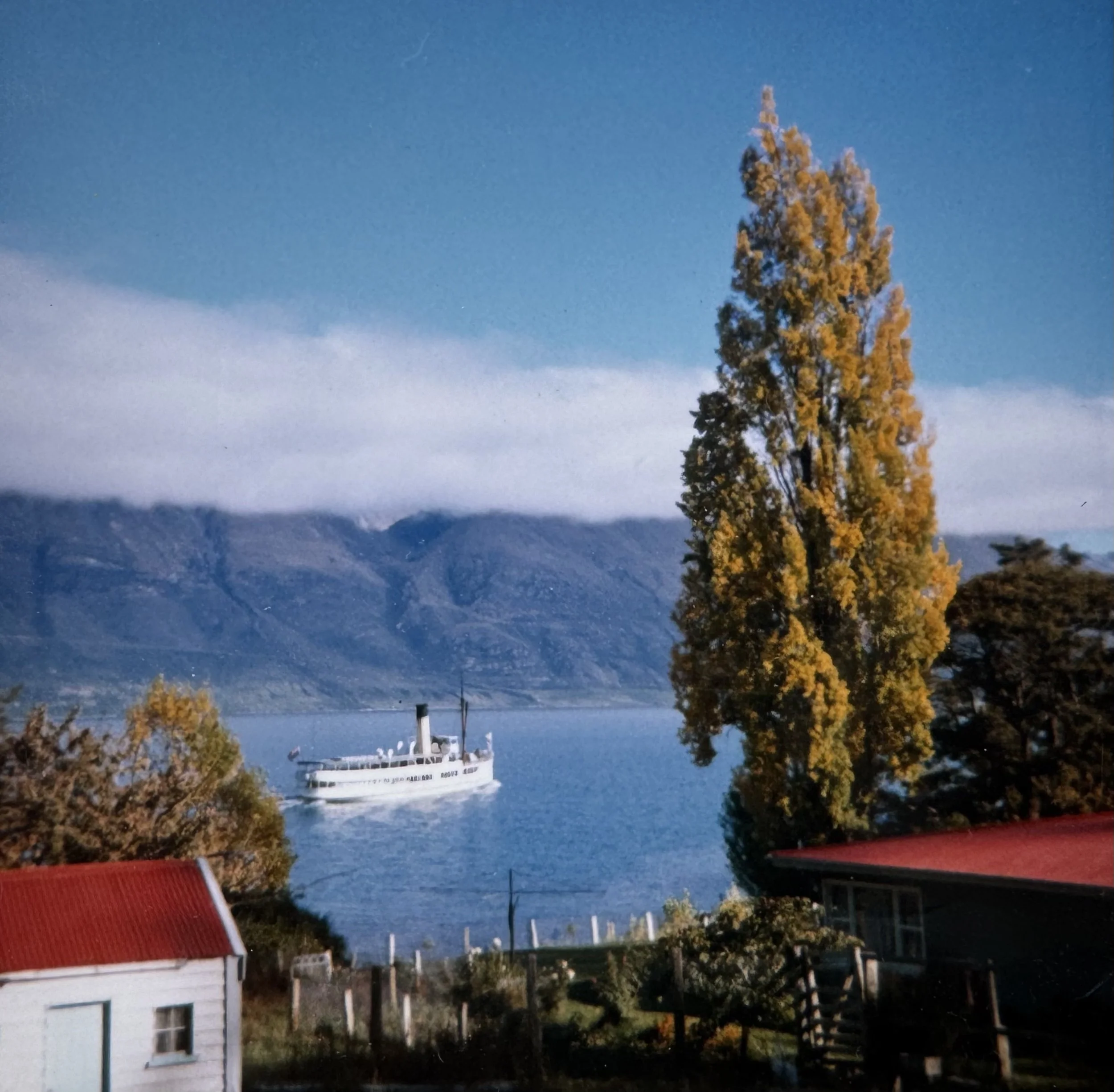
In naval parlance, “going to the head” has always meant something unglamorous: a visit to the toilet. The phrase goes back to the days of tall ships and square riggers, when the sailors’ privy was located at the bow—the “head”—of the vessel, where wind and waves could carry the smell away.
But if you lived at the top end of Lake Wakatipu before 1980—on one of the sheep stations strung along the western shore, like Dart Valley, Mount Creighton, Paradise, or Rees Valley—“going to the Head” meant something entirely different. It meant going to Glenorchy, the village at the head of the lake. And nothing symbolised that more than the TSS Earnslaw.
A grand old lady of steam, the Earnslaw was more than a boat. She was a lifeline. A floating post office. A general carrier. A ferry. A wool boat. A people mover. A link between worlds. In the age before sealed roads and utes on every corner, everything and everyone on Lake Wakatipu moved by water.
She was also regular. The Earnslaw kept a tight schedule: Mondays, Wednesdays, and Fridays were Boat Days, marked in pencil on every kitchen calendar from Kinloch to the Greenstone.
On Boat Day, the mail came. The Green Bag brought the newspapers, letters, and the mysterious parcel from Christchurch that turned out to be a part for the shearing plant, lessons from the Correspondence School, or a box of lamb teats. The shearers arrived too: ferried up the lake with their handpieces and bedrolls, sometimes still hungover from Queenstown the night before. And when the job was done, the wool went back down the same way it came: by the boat, bale after bale lashed and stacked and swung aboard by crane.
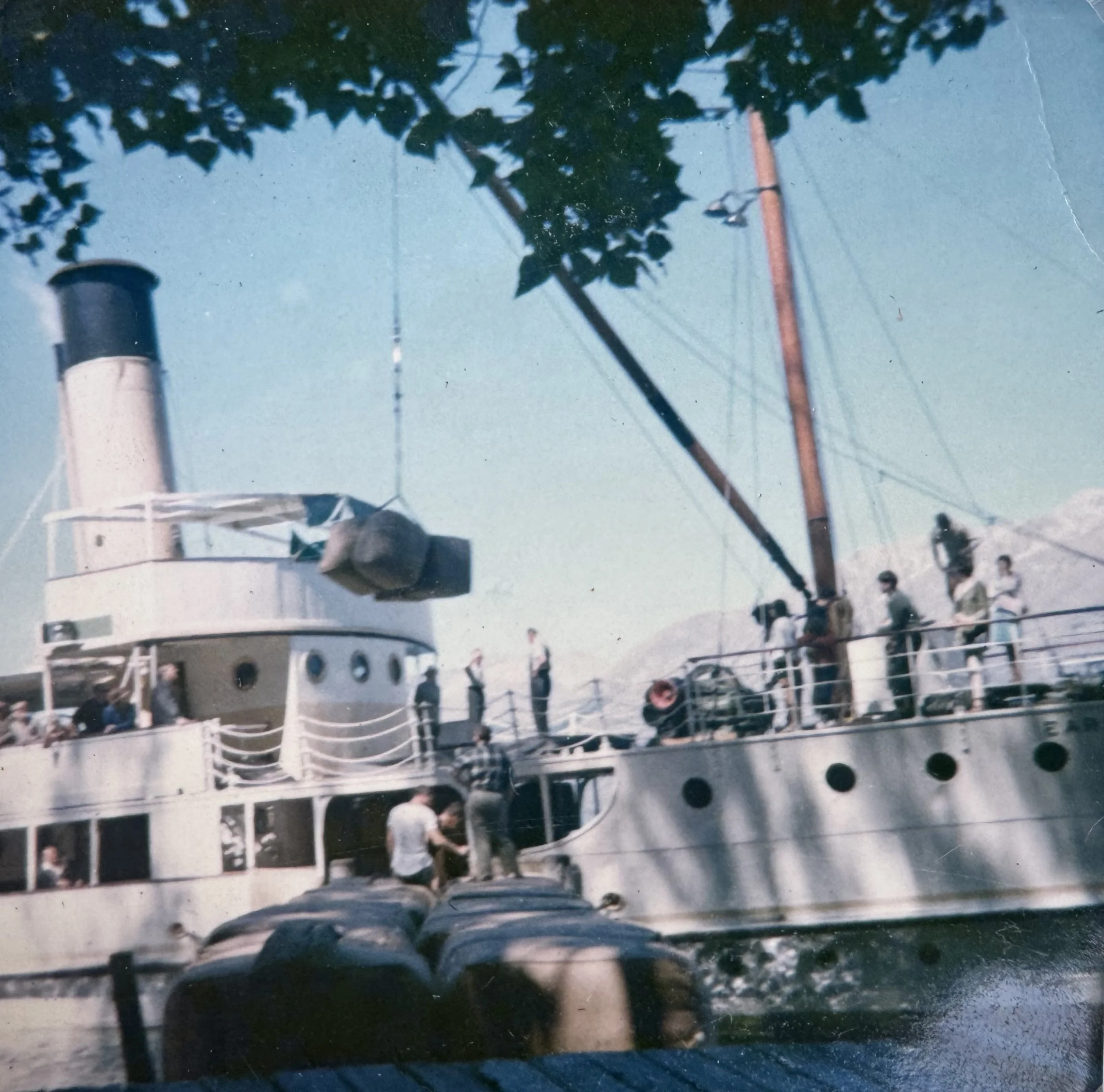
There’s a photograph from Mount Creighton Station in 1967. Bales of wool are being loaded onto the Earnslaw from the end of the station jetty. A man on the wharf signals up to the winch. The crane takes the strain. The bale lifts clean off the deck and swings slowly over the water like a pendulum.
But it's not just wool in the frame. In another photograph, sitting atop a row of tightly-packed bales, looking small beneath the vast sweep of lake and sky, are a woman and a baby. My wife’s brother, Ivan, just a toddler at the time, and her mother, Helen. They're relaxed, unhurried. As if it’s the most normal thing in the world to perch on a season’s clip, high above the water, while the Earnslaw takes on her load.
And it was normal. From Plunket nurses to bulls, from deckhands to dead bodies, from crates of eggs to cases of explosives: everything and everyone made that lake crossing eventually. Glenorchy wasn’t just “at the Head.” It was the Head. The place where everything began and everything returned.
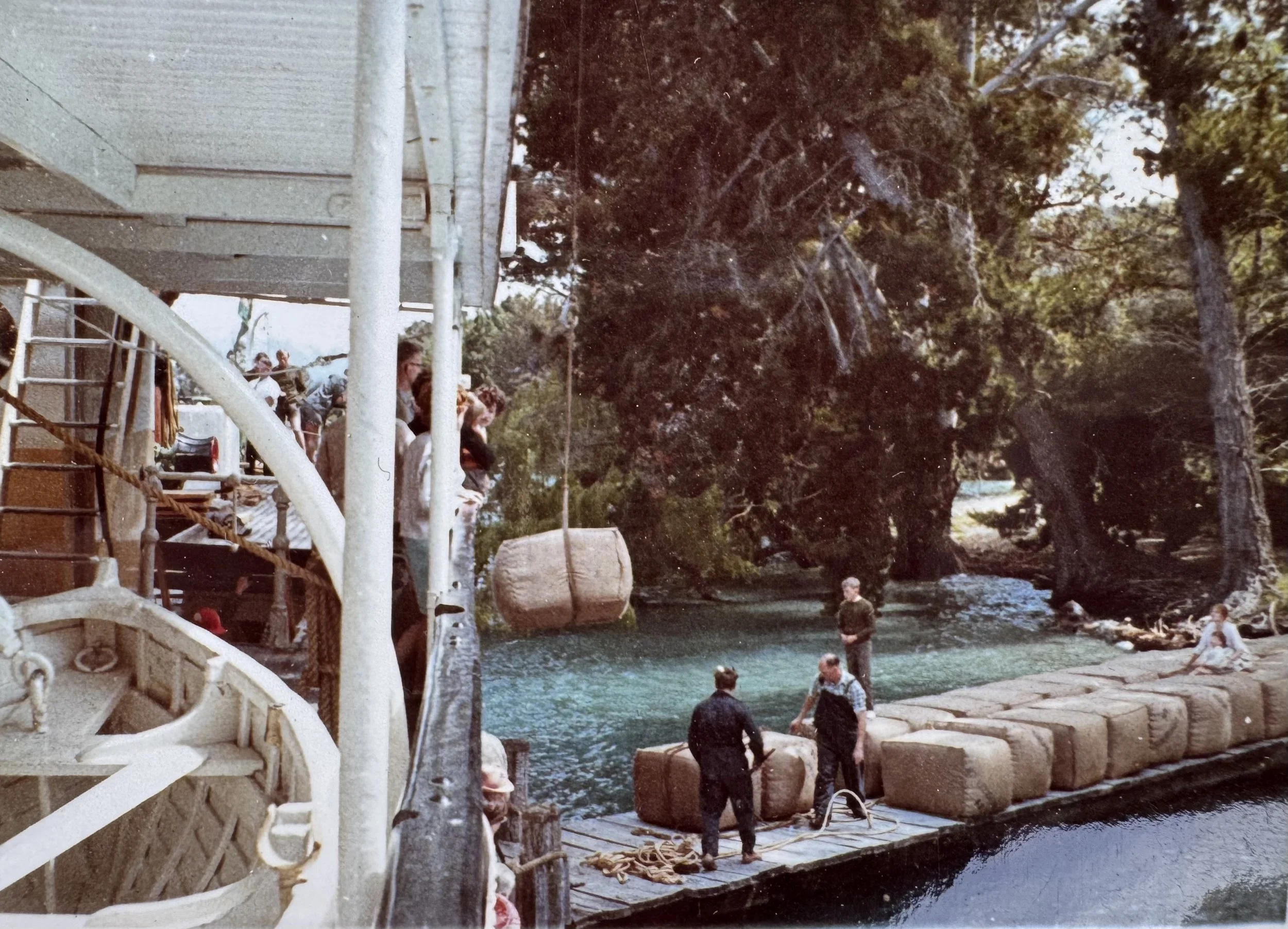
Loading the clip at Mount Creighton jetty, 1967.
Wool from the stations was trucked or sledged down to the landing. A Bedford truck driven by my wife’s grandfather, Charlie Hume, or someone like him, would rumble onto the jetty and drop its tailgate. Bales were rolled off and down, ready for the hook. On Thursdays, lambs were loaded too—up to fifteen hundred at a time—bound for the saleyards at Lumsden or Gore.
And then she’d go. The Earnslaw. Her whistle echoing off the hillsides, her steam engine churning the propeller steadily through the green-blue water, a white wake trailing behind her like a ribbon. You could track her progress from the ridgeline above: just a speck of white hull and curl of black smoke slipping down past Pig Island, toward Kingston and the wider world.
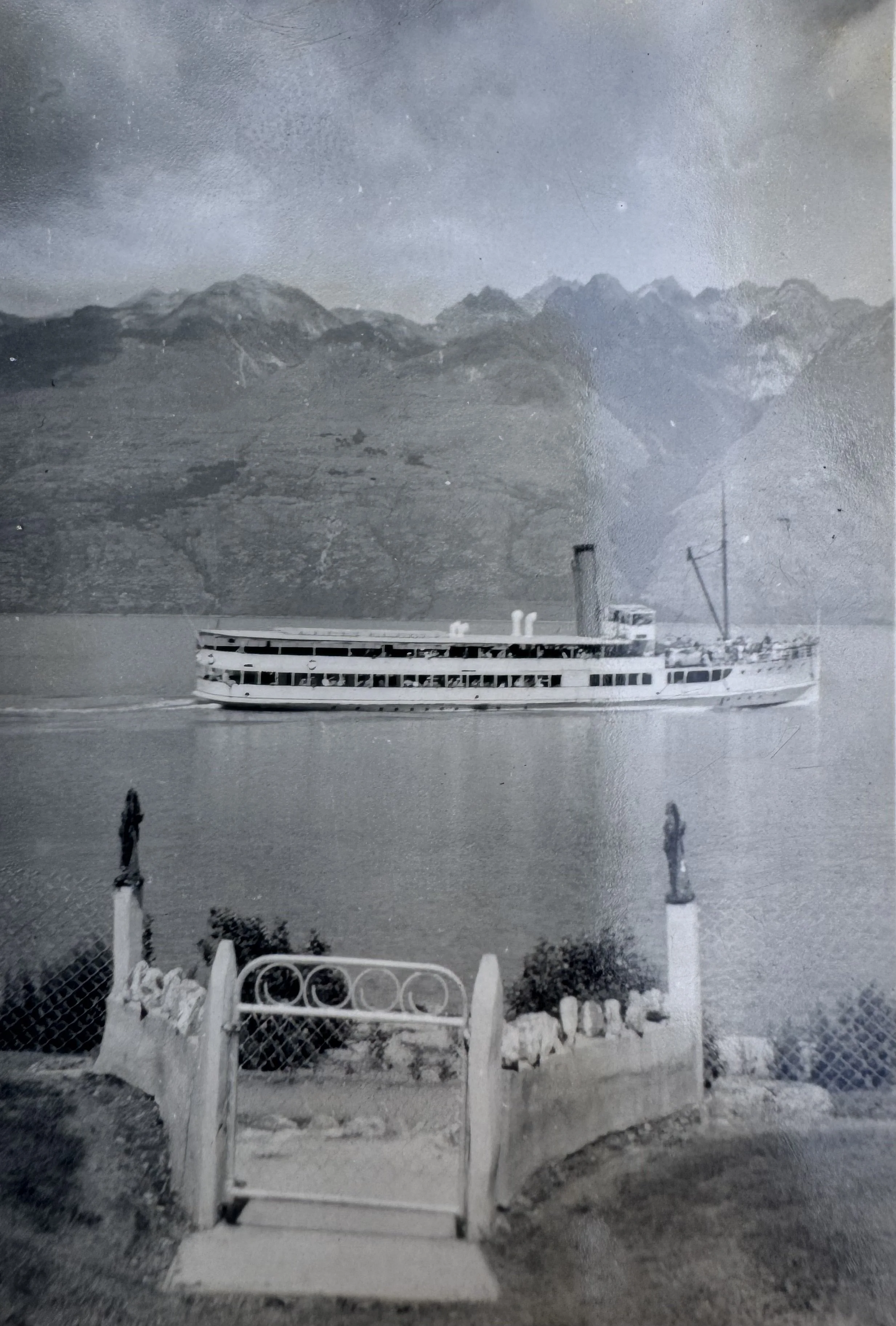
The TSS Earnslaw passing the front gate of Mount Creighton Station, 1963.
Today, the Earnslaw is mostly a tourist steamer. She carries cameras and coffee, not crutchers or cull lambs. But for those who lived by the lake—who loaded her deck with bales and memories—she’s still something else. A working vessel. A heartbeat. A symbol of what it meant to live at the end of the road, in a place where the only way out was by water.
And even now, if you hear someone say they're “going to the Head,” you can smile, knowing it means more than a pit stop. It means Glenorchy. It means the lake. It means wool on the wharf, kids on the bales, and the steady chuff of steam as the boat pulls away.
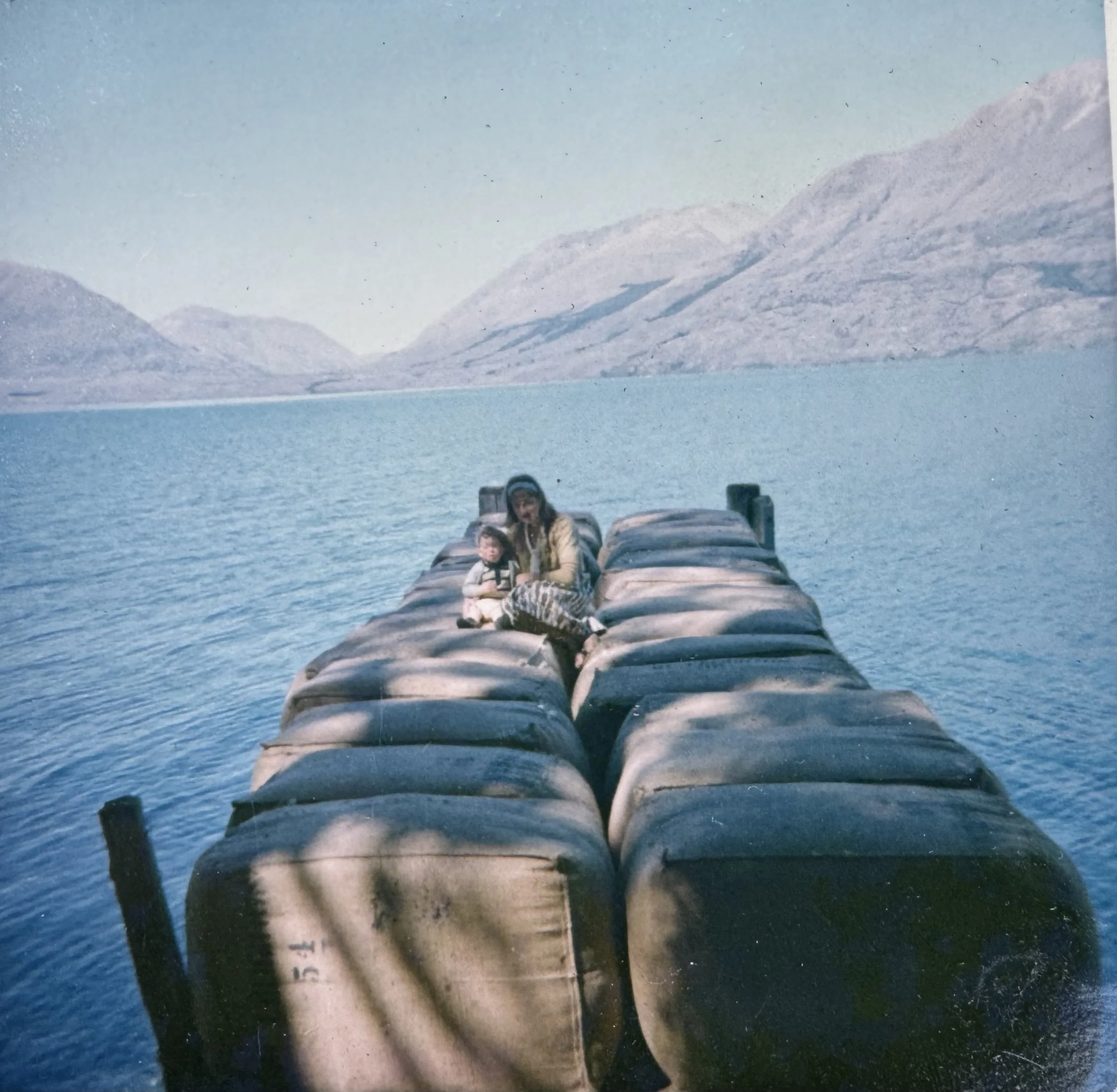
Ivan Key and Helen Key (neé Hume) on the jetty at Mount Creighton, 1967.
